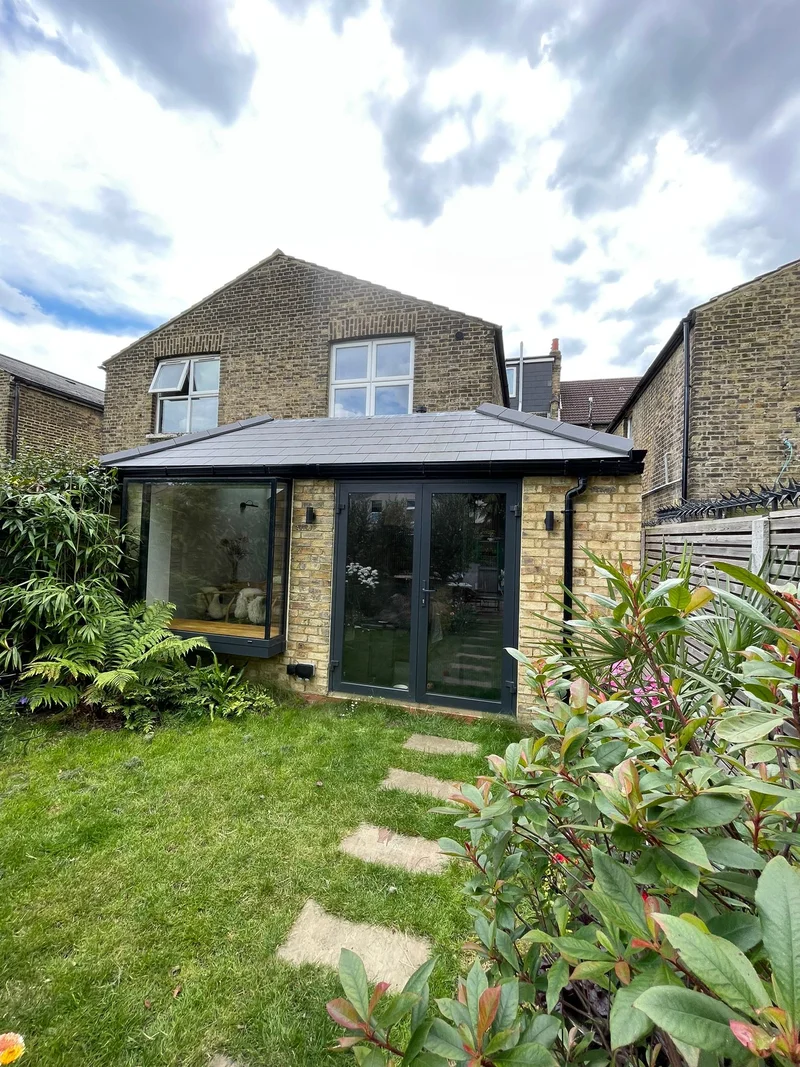


A home extension is one of the biggest upgrades you’ll make. More space, more function, more value. But it’s also one of the easiest ways to burn money, time, and goodwill – if you don’t plan it right.
We’ve worked on house extensions all over South London – from narrow terraces in Southwark to double-storeys in Bexley (see our Case Studies) – and we see the same mistakes pop up again and again.
So here they are: the top 10 mistakes homeowners make, why they matter, and how to avoid them like a pro. And a bonus one at the very end…
1. Not Starting With a Clear Brief
The mistake: Jumping into design without fully understanding what you want – and why.
What happens: You end up with a lovely new room… that doesn’t quite solve your problem. Maybe it blocks natural light. Maybe it’s too small for your future needs. Or you forgot space for storage. Small oversights. Big regrets.
What to do instead:
- Write a clear brief: What’s the purpose of the extension? More family space? Rental income? Better flow?
- Prioritise must-haves vs. nice-to-haves
- Speak to an architect or experienced builder early – they’ll spot things you won’t
Builder’s advice: “The best designs always come from the clearest goals. A good brief saves you from redesigning halfway through”.
2. Assuming Planning Permission Won’t Be an Issue
The mistake: Thinking Permitted Development rights mean you’re good to go.
What happens: You get a stop notice mid-build or have to tear down finished work. Councils in South London – especially Southwark, Lewisham, and Greenwich – can be strict about rooflines, materials, and overlooking neighbours.
How to avoid it:
- Check your property’s status: is it in a conservation area? Flat? Article 4 direction?
- Apply for a Certificate of Lawful Development even if you think planning isn’t needed – it’s your legal backup
- Work with professionals who deal with your council regularly
3. Getting Caught Off Guard by Party Wall Issues
The mistake: Not checking if your extension affects a shared or adjacent wall.
What happens: Angry neighbours. Delays. Formal disputes. Legal costs. The Party Wall Act kicks in more often than people realise, especially in terrace-heavy boroughs like Lewisham and Southwark.
How to avoid it:
- Ask your builder or surveyor: “Does this trigger a Party Wall Notice?”
- Serve the notice early – it can take 2 months minimum
- Don’t assume verbal neighbour approval is enough
4. Misunderstanding the True Cost
The mistake: Taking a single quote as the final price.
What happens: You blow your budget before the project’s halfway done. Why? Because real builds always include costs people forget: engineer reports, scaffolding, waste removal, new radiators, extra electrics. We break down the fees that sit outside a builder’s price in the hidden costs of a house extension.
Your budget should include:
| Item | Typical Range (South London) |
|---|---|
| Build cost per m² (single-storey, London) | £2,300 – £3,400 (HomeOwners Alliance, 2026) |
| Structural engineer (calculations) | £550 – £900; £1,200 – £1,500 for a wraparound |
| Planning application (England) | £548 from 1 April 2026; £274 for a Certificate of Lawfulness |
| Building control | £600 – £1,320 plus VAT, by floor area |
| Party Wall fees (if needed) | Around £1,000 with one agreed surveyor; £1,800 – £5,400 if your neighbour appoints their own (HomeOwners Alliance, 2026) |
| Contingency buffer | +10% – 15% |
Builder’s advice: “If your quote doesn’t mention VAT, skip hire, or structural elements – it’s not a full quote”.
5. Choosing a Builder Based Only on Price
The mistake: Going for the cheapest quote and hoping for the best.
What happens: Corners get cut. Work gets rushed. Builders disappear. Or the final bill mysteriously climbs 40% by the end.
Smarter approach:
- Get at least three quotes with itemised breakdowns
- Ask what’s included, and what’s not
- Check insurance, trade accreditations, and previous work in South London
- Look for reviews outside the builder’s website or trades marketplace like check a trade.
6. Underestimating Disruption During the Build
The mistake: Thinking “It’s just a back extension – I can live here no problem”.
What happens: Your kitchen’s gone. Your fuse box trips. Your kids step on nails. Living through a build gets stressful fast, especially with older South London homes that need rewiring or unexpected remedial work.
What to plan for:
- Temporary kitchen or bathroom setup
- Safety zones for kids or pets
- Working from home? Factor in noise
- Dust. So much dust. Everywhere.
Builder’s advice: “Plan to live on-site? Great. But set up one clean, sealed ‘safe zone’ for your sanity”.
7. Poor Communication Once the Work Starts
The mistake: Assuming the builder knows what you’re thinking.
What happens: The roof tiles are the wrong shade. The socket’s in the wrong place. You imagined bifold doors – your builder thought French doors.
How to fix it:
- Get everything in writing, down to socket locations and materials
- Agree on milestones and weekly updates
- Ask to walk the site regularly
- Keep a shared checklist (Google Sheets works fine)
8. Forgetting Structural Realities
The mistake: Designing your dream layout – without checking if it’s even possible.
What happens: You find out you need a steel beam. And it can’t fit through the side gate. Or there’s a Victorian drain running right under your new foundation.
How to avoid:
- Always get a structural engineer involved
- Ask about soil reports if building near trees or water
- Factor in space for steel beams, waste pipes, and scaffolding in the plan
9. Failing to Design for Future Life
The mistake: Building for now, not for what’s next.
What happens: You outgrow the extension in 3 years. It doesn’t work when your parents move in. Or it limits your resale value.
Future-proof your build by:
- Adding a ground-floor WC or utility
- Designing flexible, multi-use rooms
- Making layouts accessible
- Installing insulation and wiring that meet future standards
Builder’s tip: “If your family’s changing, your layout needs to change with it. Think five years ahead, minimum”.
10. Rushing the Finish
The mistake: Spending everything on the build and treating the finish like an afterthought.
What happens: Rough plaster. Crooked tiles. Gaps in trim. And a space that feels half-finished.
Final steps to never skip:
- A full snagging walk-through
- Dedicated time (and budget) for finishing touches
- Holding 5 – 10% of the final payment until snagging is done
Bonus Tip: Relying Too Much on Good Reviews
The mistake: Trusting 5-star reviews as the only sign of a great builder.
What happens: You hire someone who did a fine job for someone else – but not to the standard you expect. Maybe they worked slower than you’d like. Maybe they didn’t communicate well. But the review didn’t mention that.
The truth: Everyone’s tolerance is different. What one homeowner calls “very tidy and polite”, another sees as “constantly late and disorganised”. Five stars don’t guarantee the experience you want.
What to do instead:
- Ask specific questions about past projects: timelines, communication style, challenges
- Request references you can speak to directly
- Visit a recent project in person, if possible
- Judge fit, not just ratings
Builder’s advice: “One client’s dream builder is another’s nightmare. Trust reviews – but verify with your own due diligence”.
Mistakes Checklist: What to Avoid
Before you start planning, cross-check this:
- Do I have a clear brief?
- Have I checked planning and Party Wall rules?
- Is my budget realistic – including fees and buffer?
- Have I compared more than one quote?
- Am I ready for the disruption of building?
- Do I have regular builder communication in place?
- Is the design structurally viable?
- Am I designing for the future, not just now?
- Have I planned the finish – not just the build?
Reader FAQs
Can I live at home during an extension?
Yes – but it’ll be dusty, loud, and occasionally stressful. Plan a safe space and budget for temporary solutions.
How much does a typical extension cost in South London?
£2,300 – £3,400 per m² for a single-storey build in London (HomeOwners Alliance, 2026), plus £3,000 – £6,000 of fees outside the build rate. Add 10 – 15% for unexpected extras.
Do I need both planning permission and building regs?
Usually, yes. Planning covers appearance; building regs cover safety and structure. They’re different processes.
When should I speak to a builder?
Early. Before you finalise the design. The right builder will save you from design errors and delays.
Build With the Right Team
We’ve helped homeowners across South London turn tricky sites into stunning spaces – with zero guesswork. From first survey to final snagging, we handle it all.
Southwark to Bromley, we know what works – and what doesn’t.
Contact Rapid Bee today to discuss your dream house extension.